

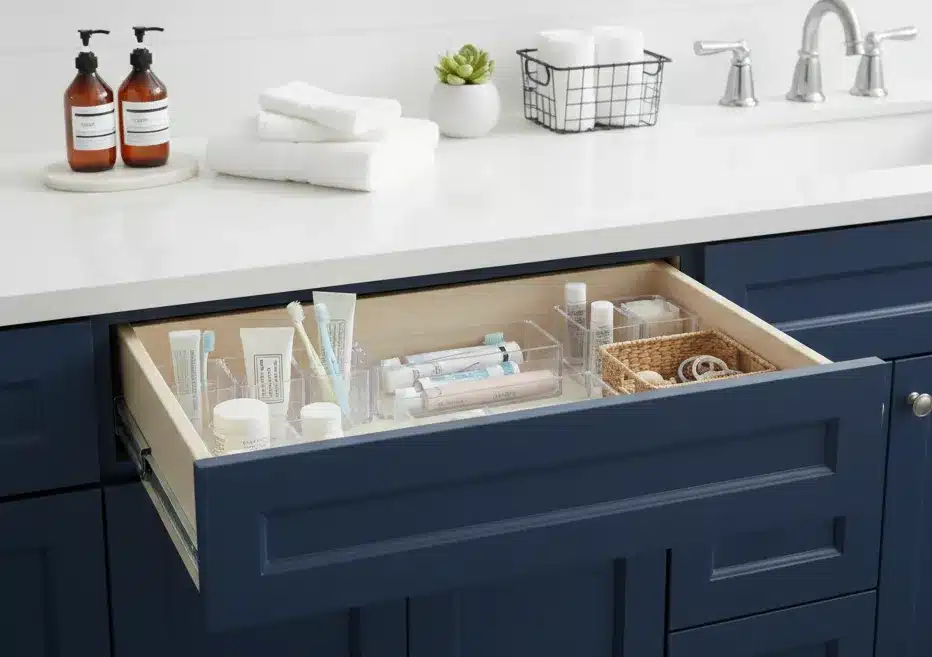
Fitting bathroom cabinets looks fancy, but it can quickly turn into chaos. Half-used toiletries, expired skincare, random hotel minis, tangled hair tools… sound familiar? If you’ve ever wondered how to organise bathroom cabinets without it turning into a Pinterest disaster after two weeks, you’re in the right place.
Regardless of whether you’re in a spacious family home in Bolton or a compact London flat, it’s not about how big your bathroom is; it’s about smart planning.
In this 2026 guide, we’ll explore proven cabinet-organising strategies, aesthetic upgrades, and long-term maintenance tips that actually work for UK households. Ready? Time to give that cabinet a serious refresh.
Bathroom Cabinets Sort Out: Initial Preparations
Before you rush out to buy new organisers, stop for a moment. The first step in learning to organise bathroom cabinet space is decluttering and editing what’s already inside. Simplify first, and your perfect organisation system will follow naturally.
Step 1: Empty Everything
Take out every item, no matter how small or insignificant, to get a clear view of what’s truly inside. This helps you see exactly what you have, identify unnecessary items, and make tidy-up decisions.
Step 2: Declutter Decisively
Set up four different piles. Label or categorise each pile based on your criteria, maybe by category, priority, or type. Then, organise accordingly.
⮕ Keep: Items you still use and are in good condition.
⮕ Bin: Expired products, broken containers, or empty packaging. Skincare and cosmetics typically expire between 6 and 12 months after opening, so check labels carefully to avoid using expired items.
⮕ Donate: Unused but still good products that you no longer need or want. Make sure they are unopened and within their expiration date.
⮕ Relocate: Items better suited elsewhere. For example, move skincare from the bathroom to a closet, or items misplaced in different rooms.
Step 3: Clean Thoroughly
Wipe down all surfaces, including shelves, with an antibacterial cleaner to eliminate germs and bacteria. Bathrooms tend to be humid environments, which can cause moisture to accumulate rapidly.
This moisture promotes mould and bacteria growth in the bathroom, which later increases the necessity for mould elimination. So, thorough cleaning is essential to maintain hygiene and prevent mildew buildup.
Pay close attention to corners, grout lines, and any hidden spots where dust and grime can collect. Regular cleaning not only keeps the space sanitary but also helps prolong the lifespan of fixtures and surfaces.
Step 4: Categorise
Sort items into clear categories to transform clutter into order, like these:
- Daily Essentials: Shower gel or body wash, Toothbrush and toothpaste, Deodorant, Facial cleanser, Razor and shaving foam, Hand sanitiser, Sunscreen (if used daily), Hand soap dispenser, etc.
- Skincare: Serums, Toners, Moisturiser/Lotion, Eye Cream, Facial Masks, etc.
- Haircare: Shampoo, Conditioner, Hair serum or oil, Hairbrush or comb, etc.
- Medicines: Prescribed drugs, Over-the-counter medicines, First aid supplies, etc.
- Cleaning Products: Surface cleaners, Dish soap, Disinfectants, etc.
- Spare Toiletries: Extra toothpaste, brushes, razors, Backup shampoo, and soap, etc.
How to Organise Bathroom Cabinets Aesthetically in 2026?
Organising your bathroom cabinets isn’t just about having things in order — it’s about creating a space that feels clean, minimal, and calming. The latest trends focus on merging functionality with style, transforming your bathroom cabinets into a serene oasis rather than just storage.
Here are some aesthetic ideas to organise your bathroom cabinets, you may consider:
✔ Use Clear Acrylic Containers
See-through boxes make it simple to find what you’re looking for without rummaging through everything. No more digging or mess. Just glance and grab.
✔ Add Drawer Dividers
Dividers prevent items from sliding around inside drawers. They help separate makeup from grooming tools, making your setup more orderly.
✔ Install Tiered Shelf Risers
Tiered organisers take advantage of vertical space, giving you more room without expanding the footprint. More stacking, less clutter.
✔ Label Everything
Labels help keep things orderly. They also speed up your routine by letting you quickly identify what’s where.
✔ Separate “Daily Use” from “Back Stock”
Use separate bins for extras and backups. So your daily essentials stay within reach, and clutter stays out of sight.
✔ Use the Door Space
Attach slim racks to the inside of cabinet doors for small items. This small tweak makes bathroom storage much more efficient.
Common Mistakes to Avoid When Organising Bathroom Cabinets
Even the most meticulous organisers can stumble if they overlook some typical pitfalls. Avoid these common errors to keep your bathroom cabinets tidy, accessible, and stress-free:
⇒ Overbuying Storage Bins
Don’t just pick storage bins on impulse; measure your cabinet first. Many UK bathrooms are on the shallower side, so getting the right size is essential. Remember, smart storage starts with smart sizing.
⇒ Storing Medicines in Humid Areas
Heat and humidity are silent enemies of medications. They can break down active ingredients, rendering your medicines less effective or even unsafe. To keep your medicines safe, store them in a cool, dry cupboard outside the bathroom.
⇒ Mixing Household Cleaning with Toiletries
Chemicals should never mingle with your everyday toiletries. Keep chemicals in separate, labeled containers to avoid accidental contact or contamination.
⇒ Ignoring Expiry Dates
Expired skincare can irritate your skin or cause allergies. Make it a habit to check expiry dates regularly, and toss out anything out of date.
⇒ No Maintenance System
Without a simple maintenance routine, your neatly arranged bathroom storage will quickly fall into disarray within weeks. Dedicate a few minutes weekly to tidy up, re-label, and reassess your storage.
Expert Tips: Long-Term Maintenance & Storage Solutions
Organisation isn’t a one-time task. Here’s how to keep things tidy long term:
◆ Adopt the “One In, One Out” Rule: Buying a new shampoo? Finish the old one first.
◆ Monthly 5-Minute Reset: Quickly check for clutter or empty bottles.
◆ Rotate Seasonal Products: Store heavy winter creams separately from summer items.
◆ Use Stackable Bins: Great for shared family bathrooms.
◆ Install Floating Shelves: Extra storage without crowding cabinets.
◆ Maximise Dead Space: Add slim rolling carts between the toilet and the vanity.
In Conclusion
Mastering How To Organise Bathroom Cabinet storage is less about fancy containers and more about a solid system. Start by decluttering. Sort everything into smart categories. Pick storage solutions that fit your space perfectly. Keep it fresh with monthly upkeep.
A well-organised bathroom cabinet not only saves you time each morning but also cuts down waste and instantly creates a calmer, more inviting space.
And the best part? You don’t need a renovation, just a practical system that works. Contact us if you’re confused about anything regarding bathroom cabinet sorting.
Your Most Asked Bathroom Cabinets Organisation Questions & Answers
1. What is the best way to organise bathroom cabinets?
Empty your cabinets first, then toss out expired or unused products. Organise similar items in clear containers with dividers. Place everyday products at eye level, and tuck backups out of sight but handy.
2. What should be stored in bathroom cabinets?
Store toiletries, skincare, hair tools, grooming products, and some extras. Avoid storing medications long-term because humidity accelerates spoilage.
3. What are common bathroom cabinet mistakes?
Don’t overcrowd your bathroom cabinets or ignore products’ expiry dates. Keep cleaning chemicals separate from your toiletries to prevent accidents, and measure your space before purchasing organisers.
4. What bathroom trends are going out of style?
Heavy, cluttered shelves with lots of decor are fading fast. Instead, sleek, minimal storage with clean lines dominates the 2026 UK bathroom scene.
5. What to put in each bathroom drawer?
Put everyday items in the top drawer, grooming tools in the middle, and backups or seldom-used products at the bottom.
6. What are some common drawer divider mistakes?
Fixed dividers that don’t fit are frustrating. Adjustable systems are better—they adapt as your needs change over time.
7. Should I hire professionals to organise my bathroom cabinets?
Not usually necessary unless you have a big family or are renovating. For small spaces, DIY works just fine.
8. What to do with dead space in the bathroom?
Install slim storage units, over-the-toilet shelves, or door-mounted racks. Vertical solutions work the best in limited UK bathroom spaces.