

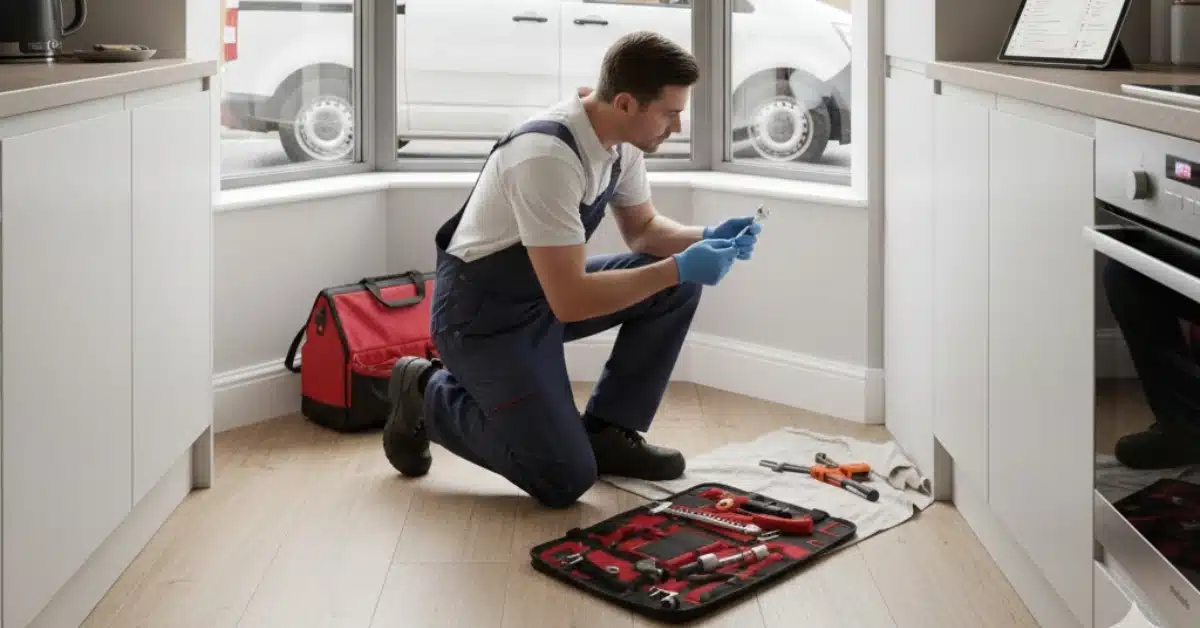
The silent killer of UK homes? Carbon monoxide leaks from unchecked gas appliances. An annual gas safety check should be one of your top priorities. It’s no longer optional; it’s mandatory. But how long does a gas safety check take? That depends.
A gas safety check needs careful, meticulous attention—skipping steps or rushing can cause oversight. Make sure your gas engineer dedicates enough time to a comprehensive inspection. Since it’s an annual task, many homeowners aren’t familiar with the process. Here, we’ll explain how long it generally takes, what factors affect the timing, and what you should expect from your engineer during the visit. Let’s dive into the details.
What is a Gas Safety Check?
A gas safety check involves a thorough inspection of all gas appliances by Gas Safe-registered engineers to ensure they are operating safely. Faulty or unchecked gas appliances can emit poisonous carbon monoxide, an odourless, tasteless, and lethal gas. That’s why regular gas safety checks are essential in every UK home.
Typically, this check is performed once a year. UK landlords are legally required to conduct an annual gas safety check. After the inspection, the landlord receives a gas safety check certificate detailing the condition of the gas appliances in use. This certificate is valid for 12 months. Landlords must provide a copy of the certificate to current tenants within 28 days of the check and to new tenants at the start of their tenancy.
How Long Does a Gas Safety Check Take?
Typically, a gas safety check takes between 30 and 60 minutes to complete. In more complex cases, the duration may extend beyond that. The number of gas appliances and safety devices needing inspection directly impacts the time required. Several other factors can also influence the length of the safety check. Therefore, it’s difficult to specify an exact duration for the job.
Here’s an estimated guide showing how the duration of a gas safety check varies based on the number of appliances:
| Number of Gas Appliances to Check | Estimated Duration for Gas Safety Check |
| 1-2(Boiler and Hob) | 30-40 minutes |
| 3 (Boiler, Hob, and Gas Fire) | 45-60 minutes |
| 4 or 4+ (Multiple gas fires, water heater, etc.) | 60-90+ minutes |
Factors That Affect Gas Safety Check Duration
The duration of a gas safety check can vary depending on several factors, especially if complications are encountered. Key influences include:
1. Property Size and Type
Smaller properties generally require less time for a gas safety check compared to larger ones. For example, standard domestic flats typically take less time than large houses. Similarly, commercial spaces often need more time than residential properties due to their complexity.
2. Access to the Appliances
How easily gas engineers can access appliances impacts how long inspections take. If appliances or flues are in cramped or hard-to-reach spots, the inspection will take longer. Additionally, seized or hard-to-move appliance parts can delay the process, as they are more difficult to work with.
3. Faulty, Damaged, or Unsafe Appliances
If the engineer detects faults, damages, or the need for repairs during the inspection, the process can become more lengthy. Older or poorly maintained gas systems may exhibit corrosion or wear, requiring extra attention.
4. Severe Warning Signs
Signs such as flickering yellow flames or soot stains can indicate the release of dangerous carbon monoxide. Identifying these issues requires careful investigation, which can prolong the safety check.
5. Number of Gas Appliances and Safety Devices
The more appliances and safety devices that need inspecting, the longer the process. Each additional component adds to the overall duration.
6. Previous Incorrect Installations:
If incorrect or insecure installations are found, extra time will be needed to rectify and ensure safety standards are met.
What Does A Gas Safety Assessment Involve?
Gas engineers inspect gas appliances(Hob, Boiler, Oven, Water Heater, and Gas Fire), pipework, and flues. Here’s what a gas safety check involves:
✔ Visual Inspection:
A thorough visual check to ensure correct installation, proper ventilation, wear and tear, signs of damage, gas smells, or corrosion.
✔ Burner Pressure and Gas Rate:
Checking and recording the operating pressure and gas consumption of appliances against the manufacturer’s instructions.
✔ Gas tightness test:
Performing tightness tests at the gas meter to confirm there are no leaks in the pipework or system. If leaks are found, the engineer might cap off the supply and schedule a return visit for repairs.
✔ Flues and Ventilation Check:
Testing the flue flow to ensure combustion products are safely vented. They check if flues or chimneys are blocked and verify that ventilation and air supply are functioning properly.
✔ Checking Safety Devices:
Verify that safety features such as cut-offs, thermocouples, and pressure relief valves are operational and effective in safeguarding the system.
✔ Physical Stability:
Checking the pressure vessels inside boilers and the physical stability and sturdiness of brackets and supports.
✔ Unsafe Operation Detection:
During inspections, gas engineers look for potential hazards such as unusual noises, ventilation issues, or corrosion. They promptly notify the landlord of any concerns to keep the premises safe.
✔ Smoke and Carbon Monoxide Detectors:
As trained experts, engineers thoroughly check all smoke and carbon monoxide detectors, ensuring they are working properly.
✔ Issuing the CP12 or Gas safety check certificate:
Upon successful completion of the safety check, the engineer issues a Landlord’s Gas Safety Certificate (CP12).
✔ Addressing faults:
If faults are found, the engineer indicates them on the certificate. Some faults are classified as ID (Immediate Danger) or AR (At Risk). In such cases, the engineer will instruct the landlord to disconnect the gas supply until repairs are completed. Failure to comply can result in significant fines or up to 6 months’ imprisonment.
How Often Do I Need A Gas Safety Inspection?
This is a crucial point. UK landlords are legally required to have a Gas Safety check performed annually by a qualified Gas Safe-registered engineer. The standard interval for these checks is 12 months, and the gas safety certificate remains valid for the same period. The inspection must be completed within a year before a new tenancy begins.
For added safety, you can carry out the gas safety check up to two months before the annual deadline. However, if you notice any signs such as a yellow flame, a sooty appliance, or if the pilot light keeps going out, you must schedule a gas safety check immediately.
Final Words
Recent figures from the Office for National Statistics reveal that 43 lives were lost in just one year due to accidental carbon monoxide poisoning. This highlights the serious dangers of neglecting an annual gas safety check. Don’t take it lightly. It doesn’t take too long. You now know ‘’how long does a gas safety check really takes?’’ Just 30 to 90 minutes, and it’s done.
A gas safety check is your legal obligation to ensure your gas appliances are safe. Skipping this vital step can invalidate your legal protections and increase the risk of harmful leaks. Act now and get your check done before it’s too late.
FAQ: Gas Safety Check Timeline
How much does a gas safety check cost?
Typically, a gas safety check with certification costs between £60 and £90. For homes with multiple appliances, such as extra boilers, gas hobs, or fireplaces, an additional £10 per appliance is usually charged.
What does a failed gas safety certificate look like?
A failed certificate will have a ‘Not safe to use’ tick and an associated code. Look for codes like ID (Immediately Dangerous), AR (At Risk), or NCS (Not to Current Standards)—these indicate the appliance is unsafe and needs urgent attention.
Is a gas safety check always done with a boiler service?
No, a gas safety check is not always included with a boiler service. Gas safety checks and boiler services are two separate procedures. If you want both done together, additional charges will apply.
Do they check radiators in a gas safety check?
Yes, radiators are inspected as part of the visual assessment of your heating system. Since radiators aren’t directly connected to gas lines, the checks focus on physical condition and signs of deterioration like rust.
What can cause a gas safety assessment to fail?
If gas appliances or their installations have issues such as leaks or inadequate ventilation, the assessment will fail. It also fails if an unregistered engineer carries out the work or if essential documentation is missing.
Who carries out a gas safety inspection?
Only a Gas Safe-registered engineer is authorised to conduct the inspection. Make sure to check their ID card and verify their registration on the Gas Safe Register. For certain gas works, review their qualifications on the back of the card.
Is it illegal not to have a gas safety certificate?
Yes, landlords are legally required to have a valid Gas Safety Certificate. Failing to comply can result in hefty fines or even a prison sentence of up to six months.